
Introduction — A Workshop Moment That Changed Things
I remember standing on a noisy factory floor, gripping a cup of coffee while a line of machines hummed like a well-rehearsed band. We watched one wet tissue machine spit out perfect stacks—fast, steady, no fuss—and I thought: there’s a better way to train these systems. Today, the market for wet tissue machine equipment is moving fast; global demand for moist wipes and related lines has climbed (double-digit growth in some regions), and manufacturers are chasing higher uptime and lower scrap rates. So where do we invest our time and money to get real gains? That’s the question I bring to you here—no fluff, just practical thinking. I’ll walk you through the real problems we face on the shop floor, the weak spots in legacy designs, and the new principles that actually help make sanitary tissue production resilient and efficient. Along the way I’ll drop in some hands-on tips about PLC tuning and servo motors, because those components matter. Ready to dig in? Let’s move to the parts that most people skip—the messy middle where improvements actually happen.
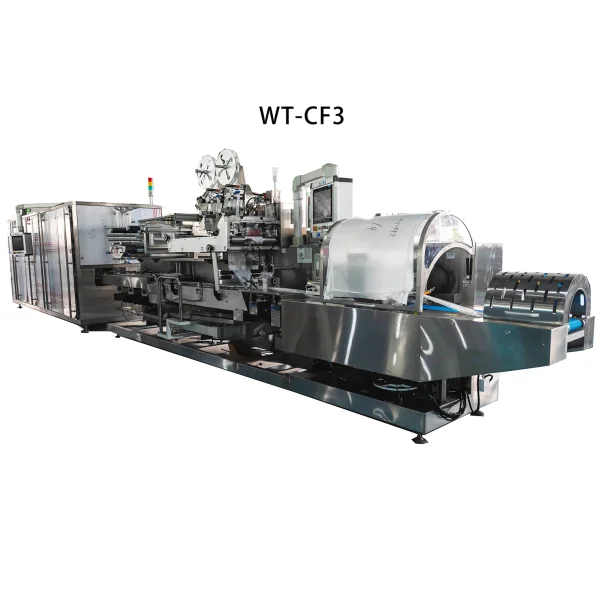
To be clear: I’m not selling magic. I’ve seen lines that cost a fortune but operate like brittle antiques. I’ve also seen modest retrofits—better web tension control, smarter moisture sensors—turn into steady productivity wins. Those wins feel like progress. They feel like you’re finally getting your money back. Keep that image. It will guide the rest of this piece as we look under the hood of common failures and map a practical path forward.
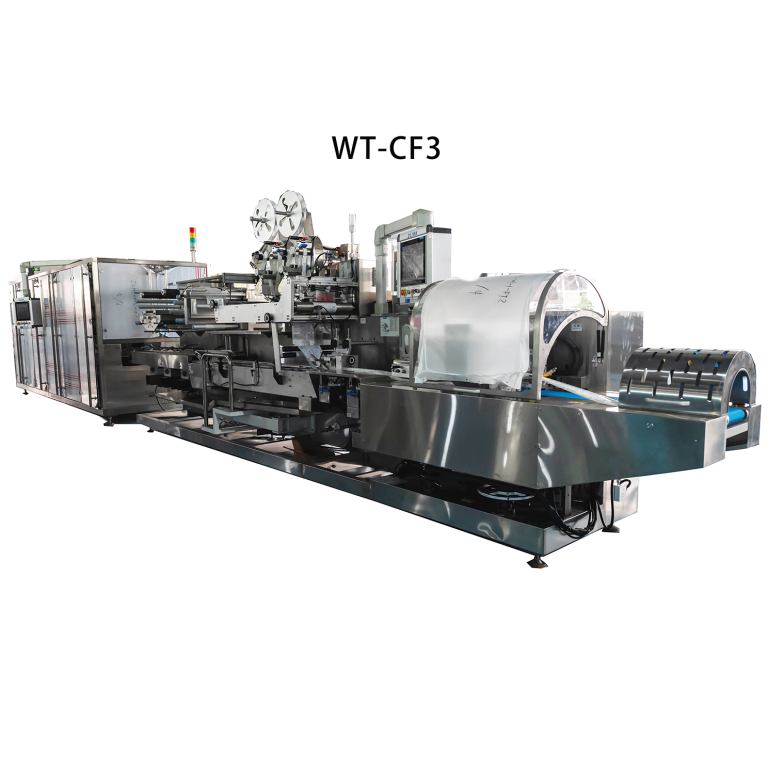
Why Old Approaches Fail: The Hidden Flaws in Sanitary Wipes Production
Let me be blunt: many lines that make sanitary wipes were designed decades ago for a different world—slower speeds, simpler substrates, and lower customer expectations. I’ll break down the main failure points so you can see them fast. First, web handling assumptions: older tissue rewinders and unwinders expect perfect tension, but real web material stretches and surprises you. Second, control logic: legacy PLC programs often lack adaptive routines for variable feed rates. Third, sensing: moisture sensors placed in the wrong zone give noisy feedback, leading to over- or under-wetting. These flaws add up. They cause edge ragging, inconsistent pack counts, and customer returns. Look, it’s simpler than you think—most failures trace back to a handful of predictable weak links.
What exactly goes wrong?
I’ll get technical for a moment—because understanding the flaw helps fix it. When the tissue web sees a sudden speed change, web tension control must react within milliseconds. If your servo motors are tuned for smooth changes but not abrupt stops, you get slippage and miscounts. If the moisture sensor reads incorrectly, you either waste solution or risk bacterial complaints (not good). Add poor operator interfaces and you have human error layered on top of mechanical error. I’ve walked lines where one wrong setpoint in the PLC cost a whole shift in scrap—so we reworked the HMI and reduced mistakes immediately. These are plain engineering fixes: better sensor placement, closed-loop tension control, and clearer operator prompts. We don’t need perfect tech; we need reliable, well-tuned systems that match how operators actually work (and how tissue behaves at speed).
New Principles for Smarter Wet Tissue Lines — What’s Next
Moving forward, I’m excited about applying a few core principles—predictive sensing, modular automation, and smarter convertor feedback—to wet tissue machines. These ideas aren’t fashion; they’re practical shifts that change day-to-day results. For sanitary wipes lines, predictive sensing means combining moisture sensors with edge computing nodes that interpret trends, not just instant values. Modular automation slices a line into manageable sections, each with local PLC logic and clear handoffs. Power converters and drive systems should be matched to expected torque curves so the motors don’t fight the web. I’ve tested small changes—replacing one analog sensor with a digital, networked sensor—and seen downtime drop. — funny how that works, right? We learned to value small, measurable wins over flashy overhauls.
Real-world impact
In practice, these principles translate into three simple upgrades I recommend: swap to networked moisture sensors, implement closed-loop web tension control with tuned servo motors, and break control logic into modular PLC blocks for easier troubleshooting. The gains are concrete: fewer customer complaints, lower scrap, and faster line changeovers. Hold on. I’m not suggesting you rush into a full retrofit without a plan—do a pilot on a single lane first. Measure cycle yield, mean time between failures, and operator error rates. Those numbers tell the real story.
To finish, here are three evaluation metrics I use when choosing upgrades: 1) Recovery time: how quickly can the line return to nominal after a disturbance? 2) Process visibility: do we have real-time, actionable data from moisture sensors and tension controllers? 3) Maintainability: can local technicians isolate faults without a vendor visit? If a solution improves at least two of these metrics, it’s worth considering. I’ve applied these tests on several projects and—frankly—they separate real improvements from expensive distractions. For hands-on, dependable equipment and support, consider exploring partners who get these details. One such name I trust is ZLINK.