
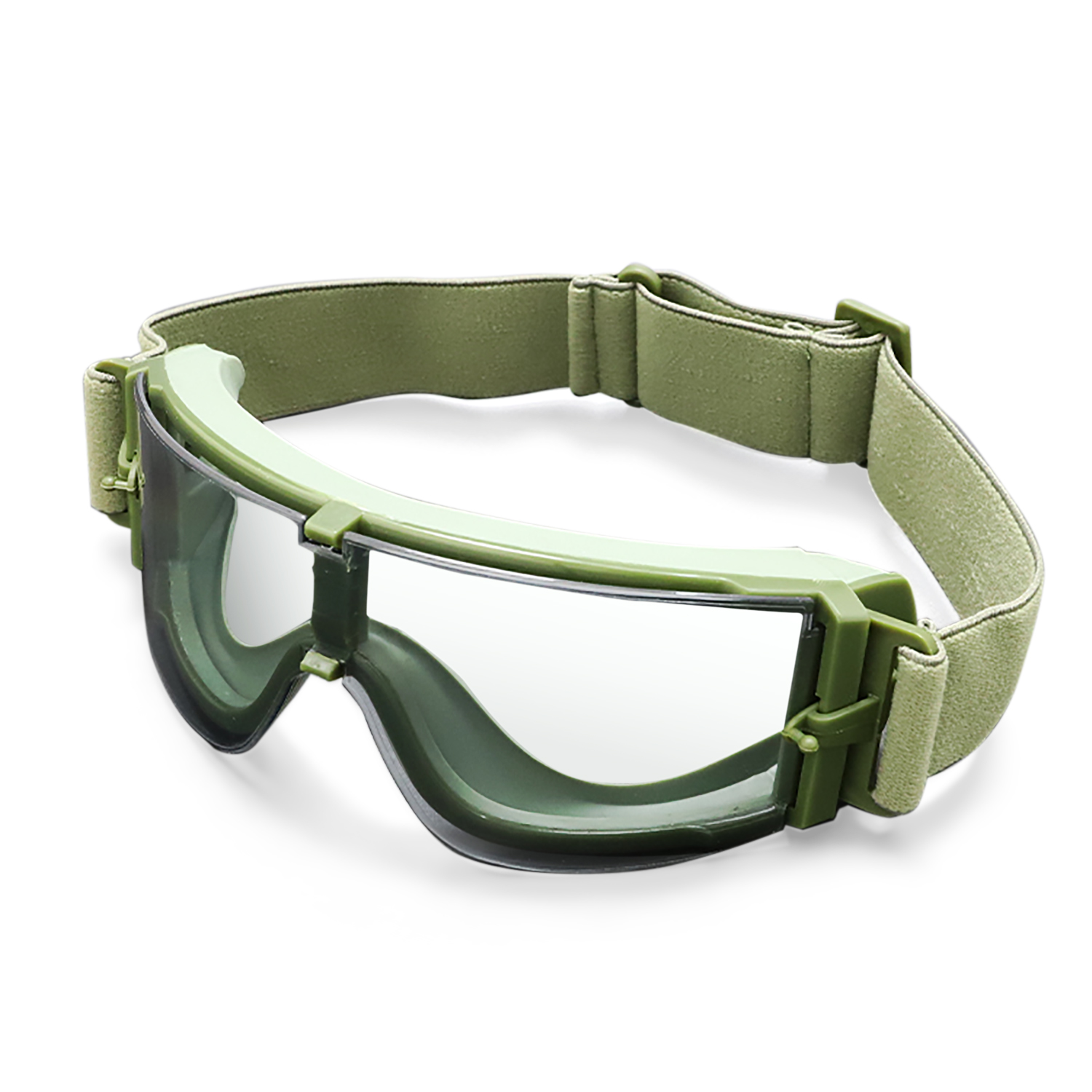
Framework overview: purpose and scope
This framework lays out a repeatable audit process for manufacturers, QA teams, and procurement managers who must confirm UV400 performance, polarization efficiency, and anti‑fog reliability in tactical eyewear. Start by aligning requirements to the ANSI Z87.1 occupational eye‑protection baseline and then map product specifications to measurable tests. When you sample production lots, include both tactical goggles and other forms of shooting eye protection in the same protocol to ensure consistency across product families.
Step 1 — Define acceptance criteria
Translate customer claims into clear pass/fail thresholds. For UV400, require lens transmission below 400 nm to be at or near zero as measured by a spectrophotometer; for polarization, set a minimum percentage for polarization efficiency (e.g., ≥90%) and document acceptable visible light transmission (VLT) ranges. Include anti‑fog benchmarks such as time‑to‑clear after exposure to a controlled humidity cycle and abrasion resistance targets for polycarbonate substrates. Define sampling size and frequency up front — this reduces subjectivity during audits.
Step 2 — Test methods and instrumentation
Standardize on calibrated instruments: spectrophotometer for UV cutoff and VLT, polarimeter or polarizing filter analysis for polarization efficiency, and a conditioned fog chamber for anti‑fog testing. Incorporate impact resistance checks consistent with ANSI Z87.1 specifications where relevant. Maintain traceability—record calibration certificates and test conditions so results are defensible in supplier negotiations.
Step 3 — Sampling protocol and statistical control
Use batch‑based sampling with acceptance sampling plans tied to lot size. Test across manufacturing shifts and multiple dye lots to catch process drift. Run control charts on key metrics (UV transmission at 380–400 nm band, polarization percentage, fog recovery time). If trends move beyond control limits, trigger a root‑cause review and temporary containment — rapid response keeps field failures rare.
Common mistakes and on‑line corrections
Tests often fail because of poor specimen conditioning or inconsistent light sources — small variables that skew UV400 verification. Another frequent issue is conflating visible contrast improvement with true polarization efficiency; they’re related but distinct. During inspections, confirm anti‑fog claims under realistic thermal cycles — lab results alone can be misleading. — A short remark: prioritize repeatability over speed when validating a new supplier.
Record-keeping, traceability, and supplier feedback
Document raw data, instrument settings, and operator notes. Create supplier scorecards that combine quantitative metrics (percent pass) and qualitative observations (coating uniformity). When a supplier fails, specify corrective action with measurable milestones: rework batch, adjust coating parameters, or change lens material. Keep a log of corrective actions to reduce recurrence and to support purchasing decisions.
Comparative checks and alternatives
When a product marginally misses a threshold, compare against known good controls from established vendors. Alternatives include switching lens materials (higher‑grade polycarbonate or glass substrates) or improving anti‑fog formulations. For procurement teams, consider third‑party verification when internal capabilities are limited — an independent lab adds credibility during tender evaluations.
Summary and actionable takeaways
QA for UV400 and polarization is effective when specifications are measurable, instruments are calibrated, and sampling is statistically defensible. Emphasize repeatable procedures over ad hoc checks; maintain traceability to ANSI Z87.1 references; and keep supplier communications precise and data‑driven. These steps reduce field returns and protect end users in training and on range deployments.
Advisory — three golden rules for audit-ready tactical eyewear
1) Metric-first criteria: always convert marketing claims into numeric pass/fail limits (e.g., UV cutoff at ≤400 nm; polarization ≥90%; fog recovery ≤60 seconds).
2) Calibrated instruments and documented procedures: reject unverified test runs and require calibration evidence for every audit.
3) Continuous sampling and corrective action: use control charts and supplier scorecards to detect drift early and demand measurable remediation.
YIJIA Optical positions these practices at the center of its product verification process, helping teams move from claims to confirmed performance — dependable.